Projects
Research and projects in AI.
-
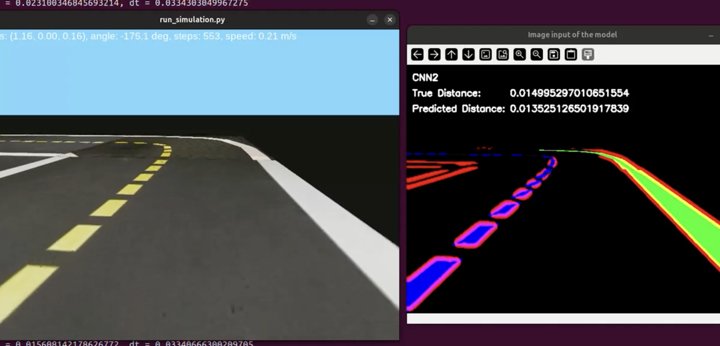
Duckietown PIDPlus: Learning-Based Lane Following
CNN and CNN+LSTM models that predict a Duckiebot's distance from the lane centre using only its camera image, smoothed with a Kalman filter and fed to a PID controller. It is trained on 27,000 simulated images. All six models drove the loop in simulation, and the best CNN was deployed on a real Duckiebot over ROS.
-
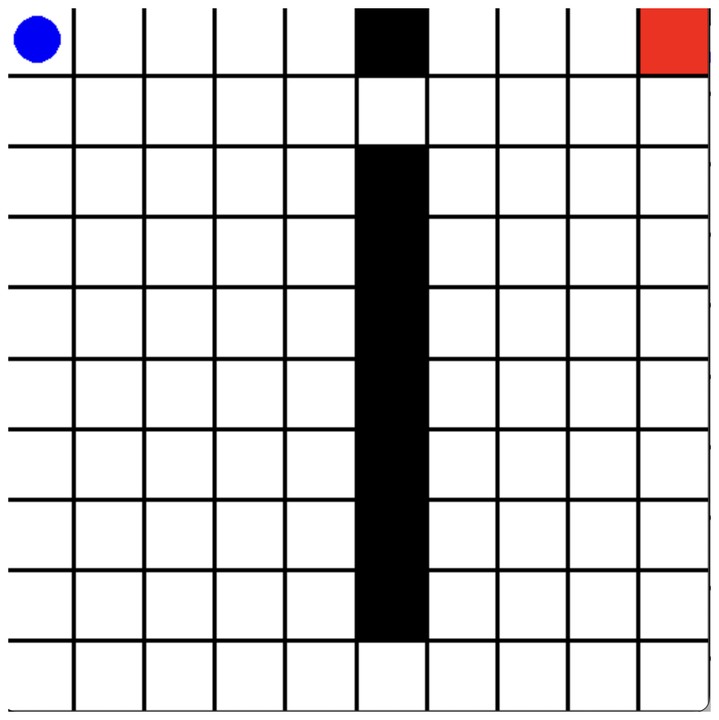
Prioritized vs. Uniform Experience Replay in DQN
An empirical comparison of uniform and prioritized experience replay for Deep Q-Networks on CartPole and on stochastic and non-stationary grid worlds. Prioritized replay learned faster in some settings. I implemented the code and designed the experiments.
-
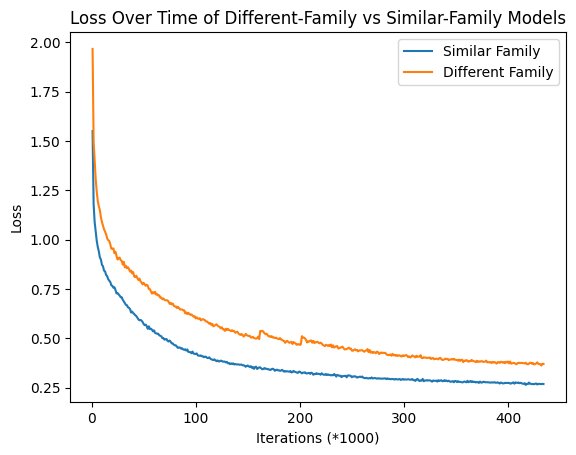
Investigating Shared Representations in Translation Systems
This project investigates the feasibility of a language-independent representation for multilingual translation using language-specific transformer encoders and decoders. A Chinese encoder trained with a decoder from a different language achieved translation to English with performance only slightly worse than a transformer trained directly on Chinese-English pairs, and the choice of the initial languages affects downstream performance when adding a new encoder.
-
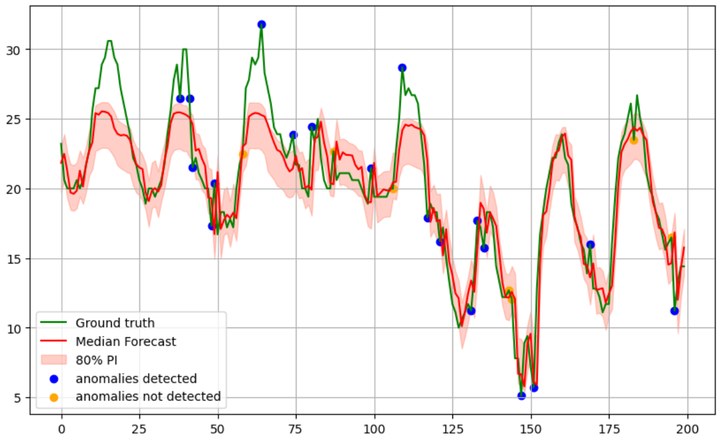
Anomaly Detection in Low-Data Settings via Probabilistic Forecasting with Time Series Foundation Models
Can pretrained time series foundation models detect anomalies with little data and no training? A point is flagged as an anomaly when it falls outside the 80% prediction interval of a one-step-ahead probabilistic forecast. On real temperature data with injected anomalies, Chronos-Small and Chronos-Base gave the best balance of precision and recall, ahead of TimeGPT, ARIMA and EnbPI.